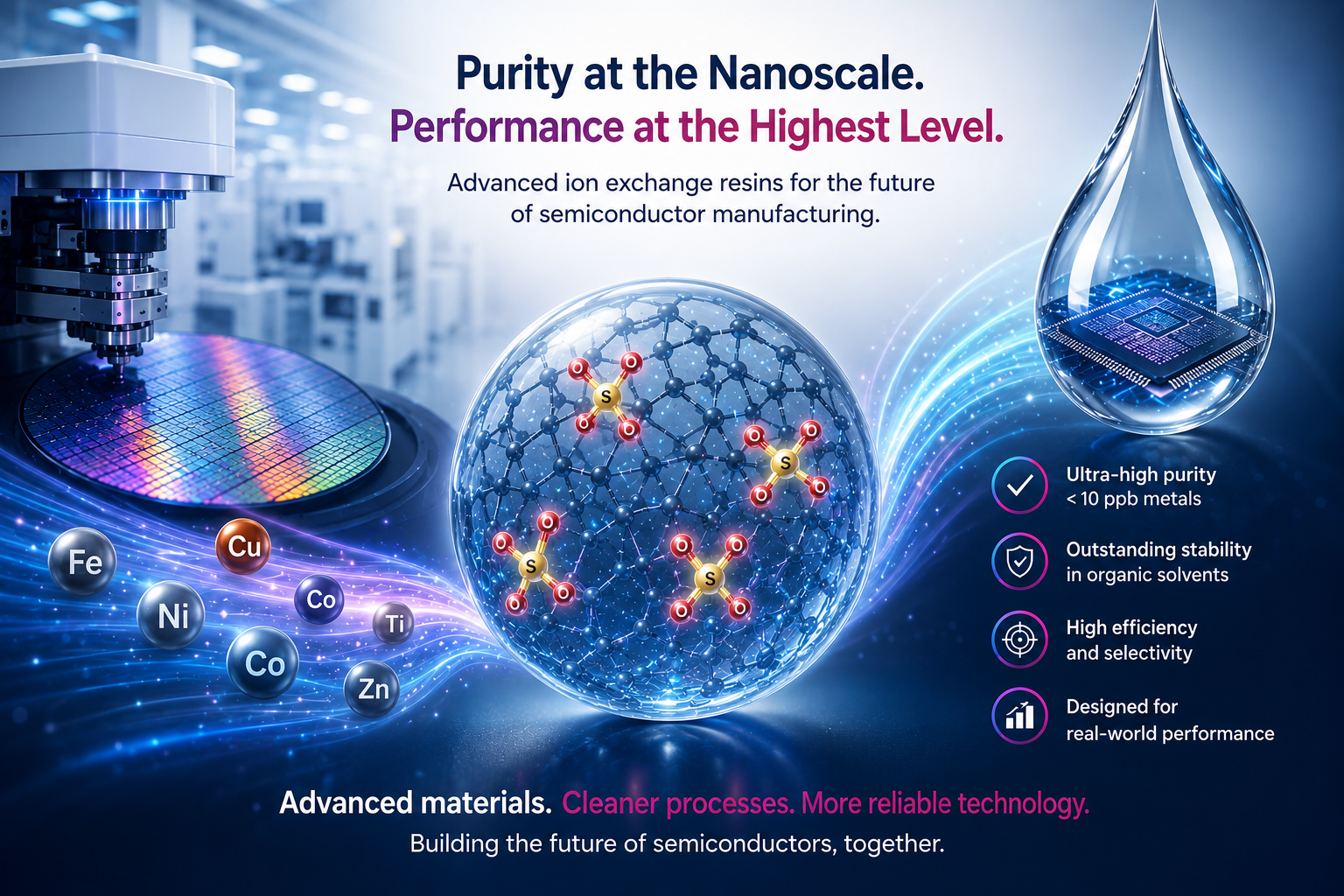

Chip manufacturing is advancing toward ever-smaller feature sizes, where even minute levels of contamination can compromise device performance. In this context, the purity of the chemicals used throughout the manufacturing process is no longer simply a quality requirement, it has become a critical process parameter.
One of these chemicals is PGMEA (propylene glycol monomethyl ether acetate), a solvent widely used in the formulation of photoresists, thinners, and anti-reflective coatings employed during semiconductor lithography processes.
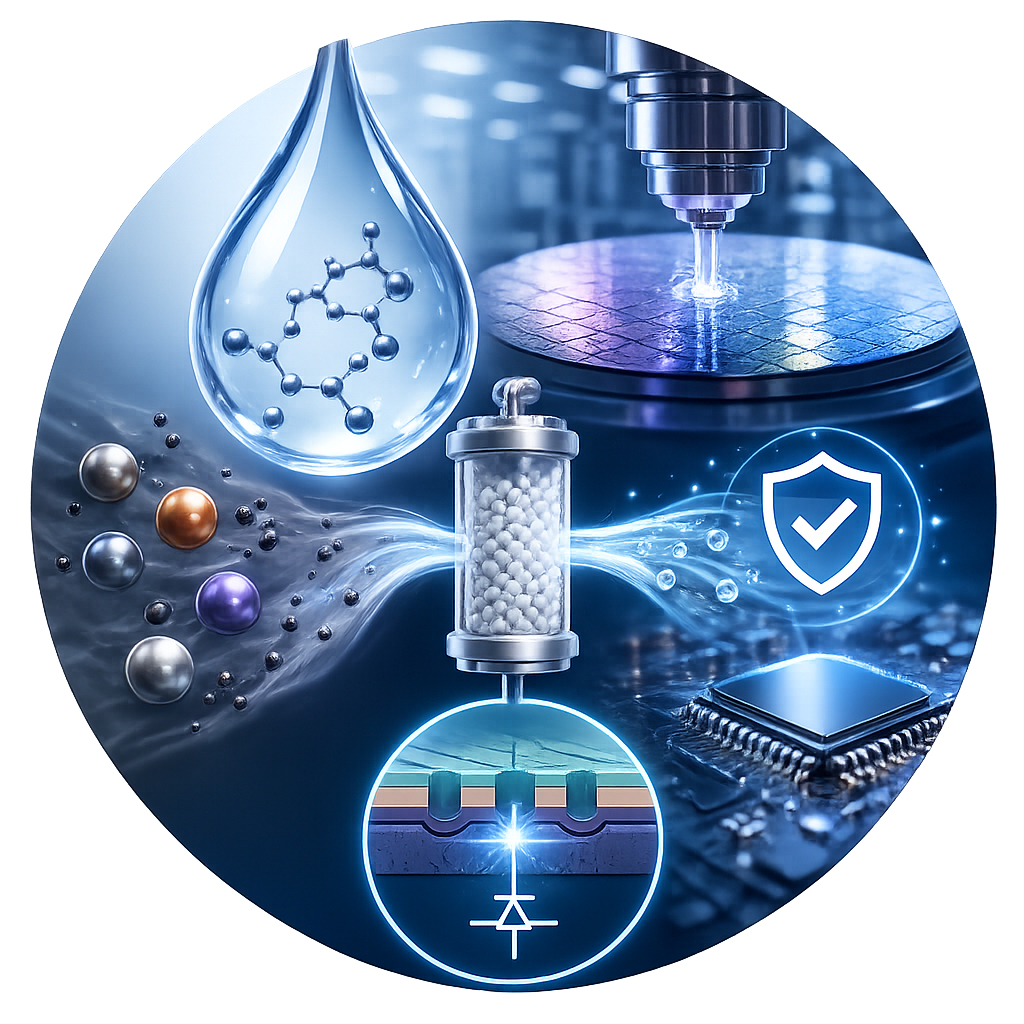
During integrated circuit manufacturing, PGMEA must exhibit extremely low levels of contamination. Trace metals such as iron, copper, nickel, titanium, cobalt, and zinc can become incorporated into silicon, degrade gate oxide quality, or cause electrical leakage in p-n junctions.
In advanced semiconductor manufacturing technologies, even concentrations at the parts-per-billion (ppb) level can reduce production yield, generate defects, and negatively affect the reliability of electronic devices. Consequently, developing systems capable of removing these contaminants without degrading the solvent itself has become one of the major challenges in materials chemistry for the electronics industry.
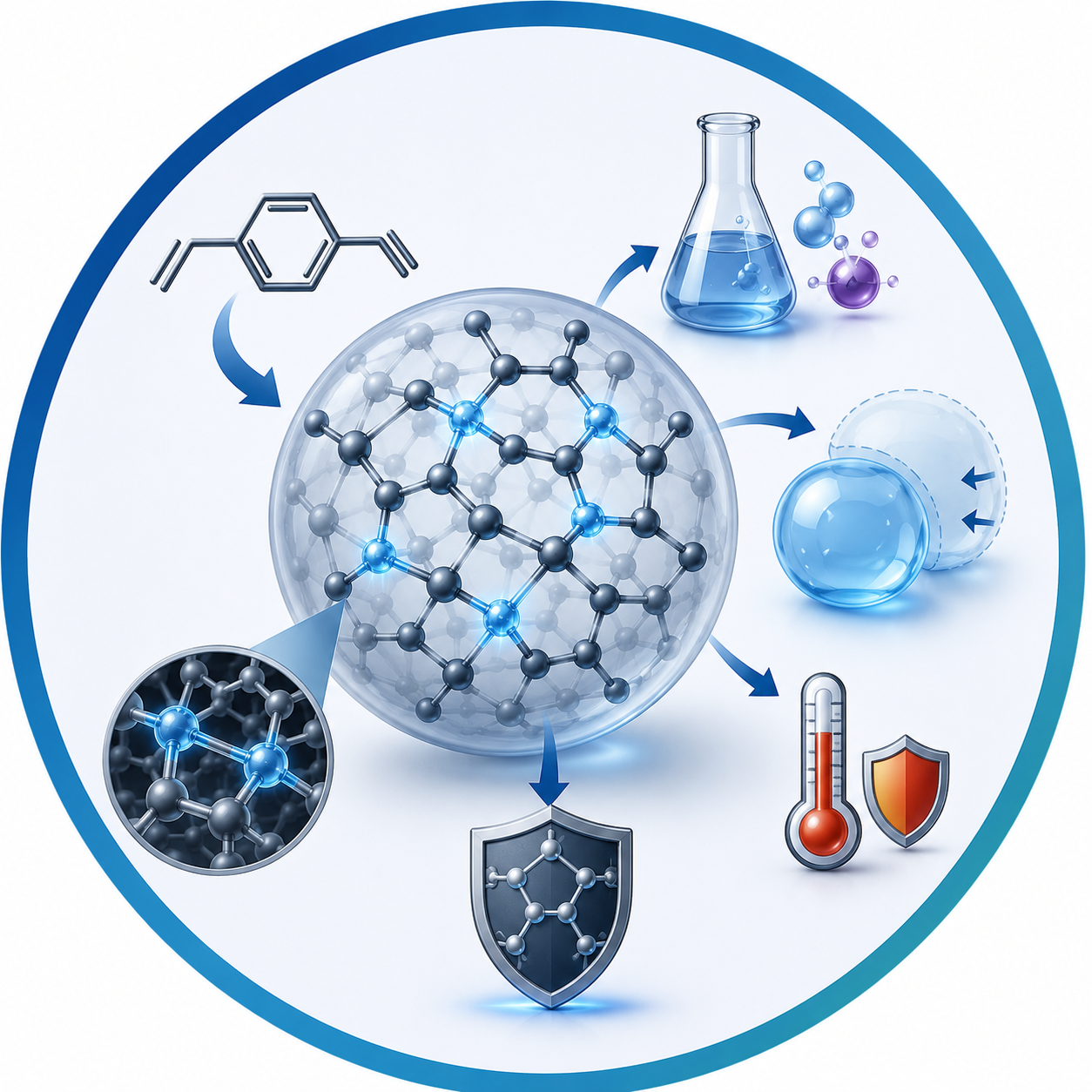
Strengthening the polymer network. A highly crosslinked three-dimensional network is formed using divinylbenzene (DVB). This architecture provides: greater resistance to organic solvents; reduced resin swelling; high thermal stability; preservation of structural integrity.
The study demonstrates that a 30% degree of crosslinking provides the optimal balance between structural stability and adsorption capacity. Higher crosslinking levels produce an excessively compact structure, limiting the accessibility of metal ions to the active sites.
Under optimal operating conditions, the new resin reduced titanium, cobalt, nickel, and copper concentrations to below 10 ppb, while also effectively removing iron and zinc. As a result, PGMEA purity increased to 99.48%, while maintaining excellent chemical stability for at least 18 hours of continuous operation.
The study identifies three simultaneous adsorption mechanisms:
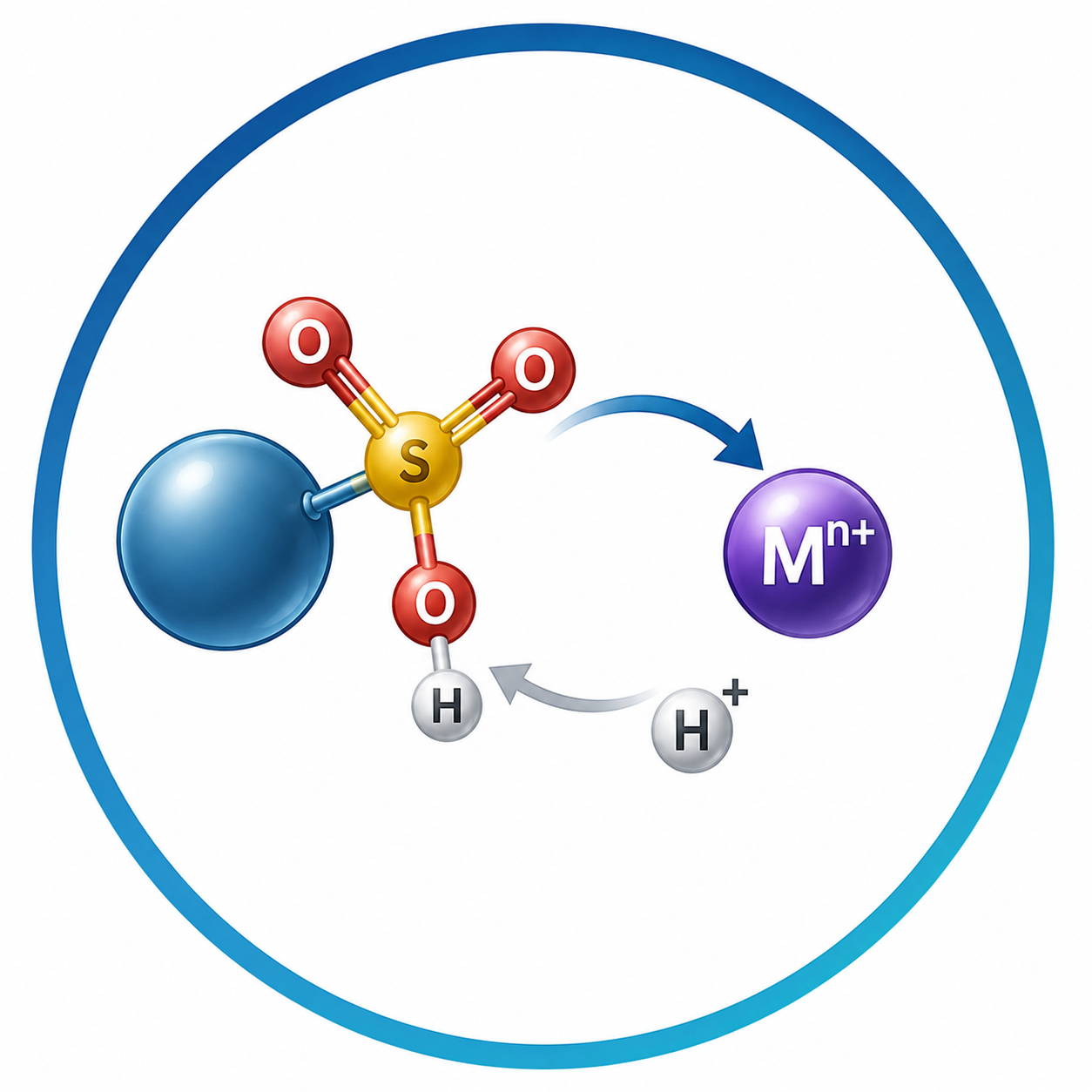
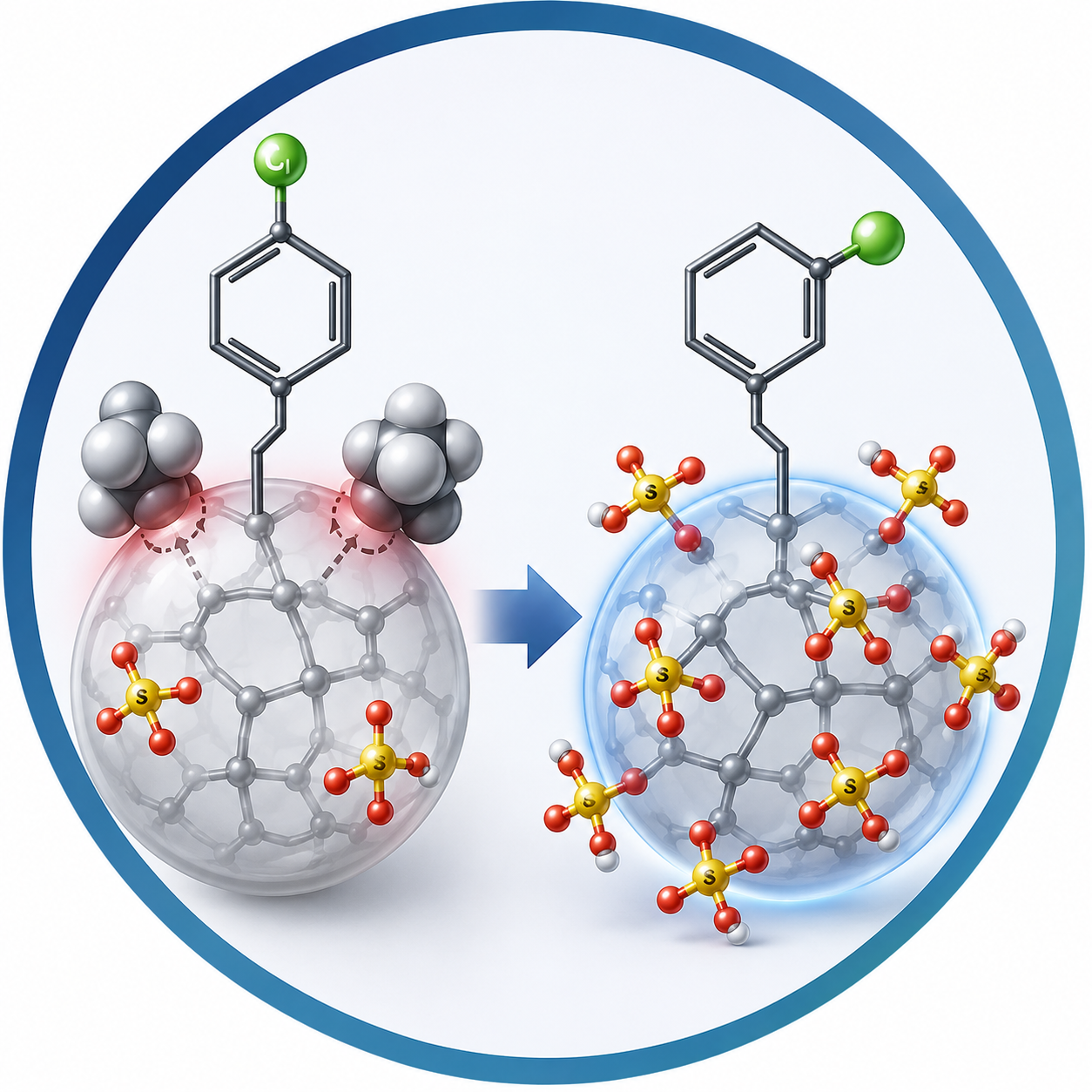
Ion exchange, in which the protons of the sulfonic acid groups are replaced by metal cations.
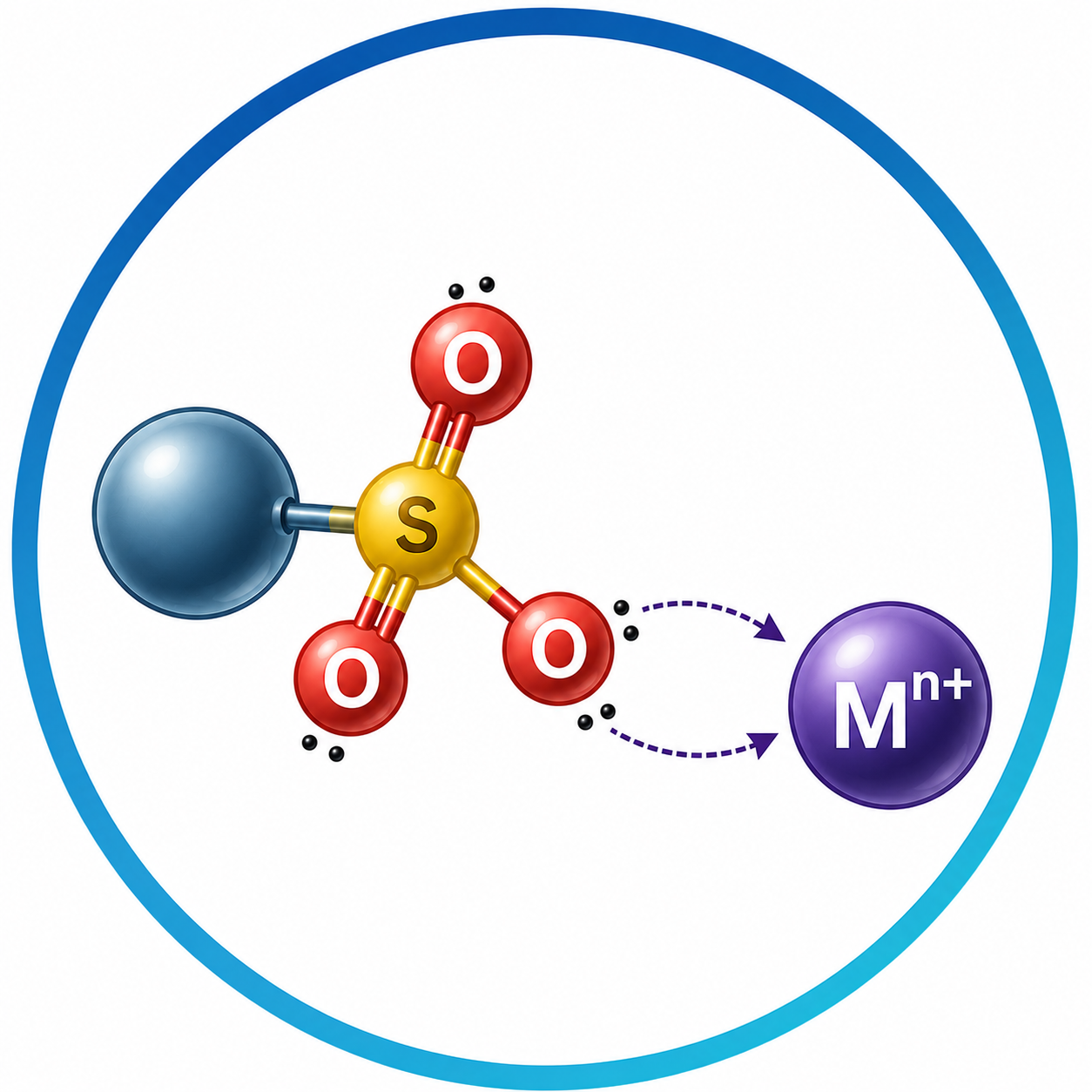
Chemical coordination, through electron pair donation from the oxygen atoms of the sulfonic groups to the metal ions.
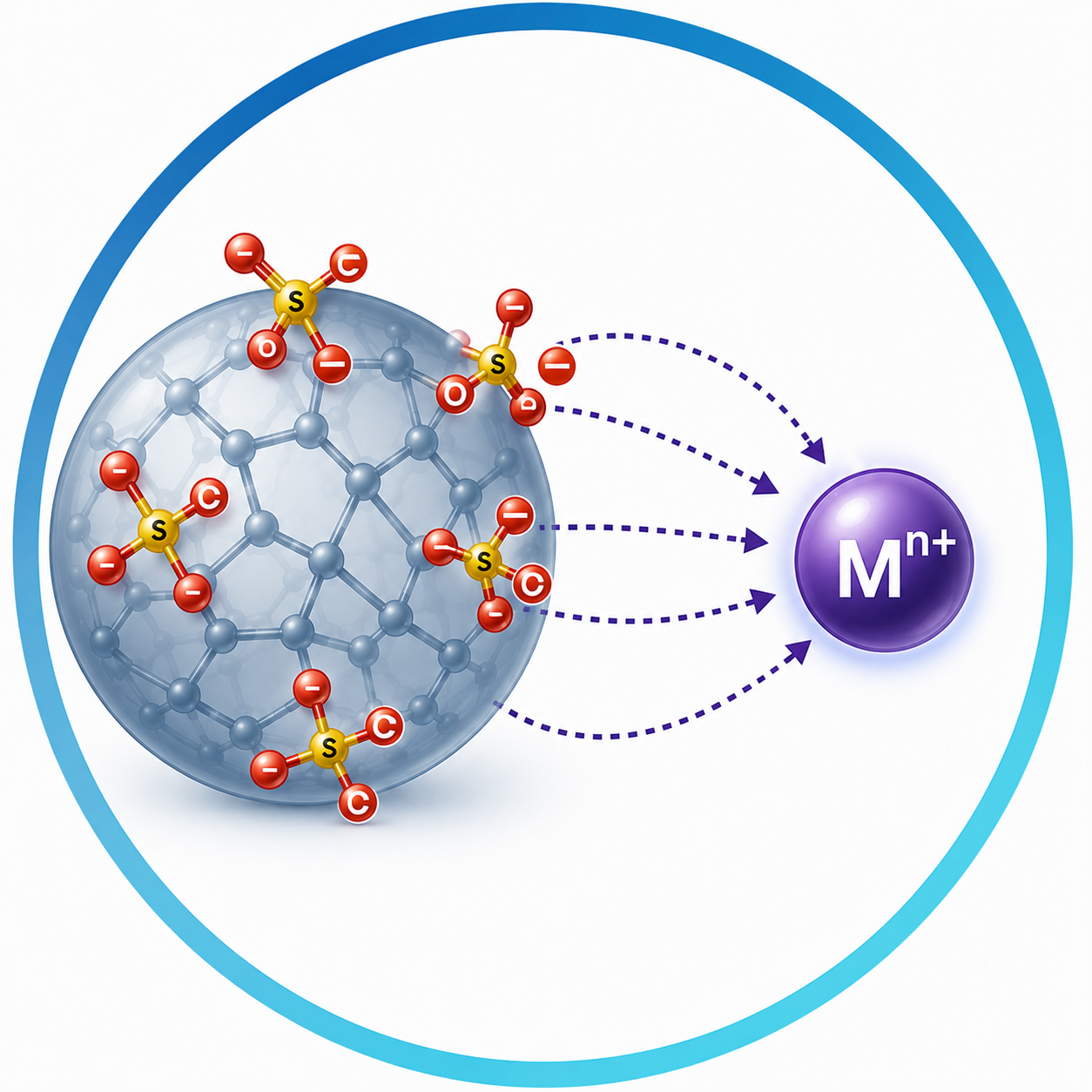
Electrostatic attraction, promoted by the high negative charge density of the resin.
The combination of these mechanisms enables the efficient removal of contaminants even when present only at trace concentrations. Another particularly interesting aspect of the study is the material’s thermal stability. Incorporating chlorine atoms into the polymer structure improves resistance to thermal desulfonating, allowing the resin to retain its functional adsorption groups even at temperatures approaching 400°C. Experimental results show that operating at room temperature is the most efficient option.
This work highlights the critical role that high-performance ion exchange resin design plays in achieving the stringent purity requirements of the semiconductor industry. The combination of chemical stability, resistance to organic solvents, and high trace-metal removal capacity will become increasingly important to produce high-purity electronic chemicals.
At MERYT Catalysts & Innovation, we offer a portfolio of ion exchange resins and adsorbent materials specifically designed for purification, separation, and contaminant removal processes, including applications in organic media. Our product range enables the selection of the most suitable solution for each industrial process, from solvent purification to a wide variety of chemical treatment, recovery, and refining applications.
Innovation in advanced materials, together with the proper selection of the most appropriate resin for each application, is one of the key factors in improving process efficiency, reducing contamination, and meeting the increasingly demanding quality standards of the semiconductor industry.