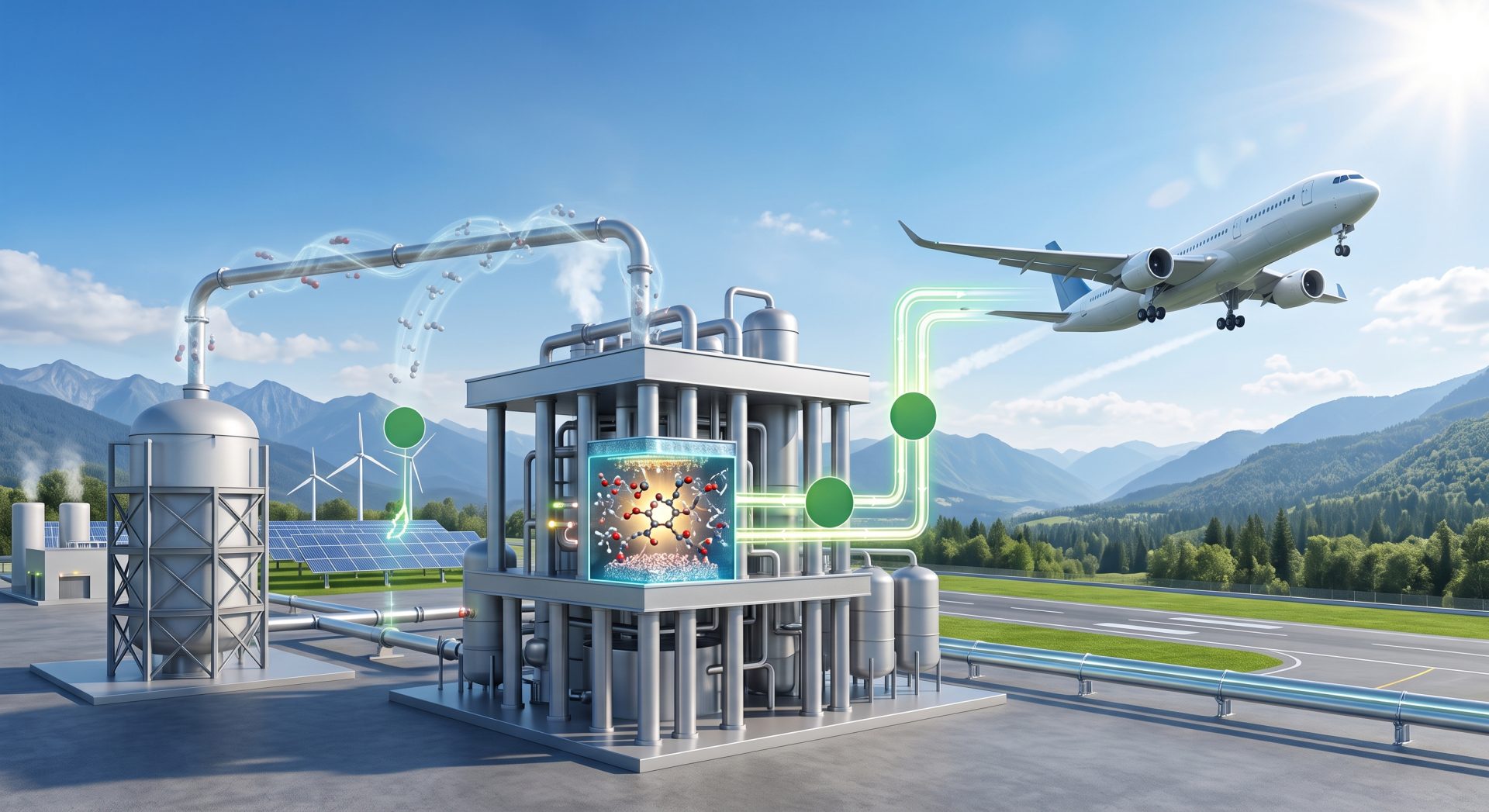
Converting CO₂ and hydrogen directly into aviation fuel components through a single catalytic step.
For years, producing Sustainable Aviation Fuel (SAF) on a large scale has been constrained by one fundamental question: where can we obtain sustainable carbon? Routes based on used oils, fats, or biomass are important, but they have clear limitations in terms of availability and scalability.
Now, a technology developed in China is proposing a radically different alternative: Converting CO₂ and hydrogen directly into aviation fuel components through a single catalytic step.
And the most interesting part is that the technology has already moved from the laboratory to thousand-tonne-scale pilot operation.
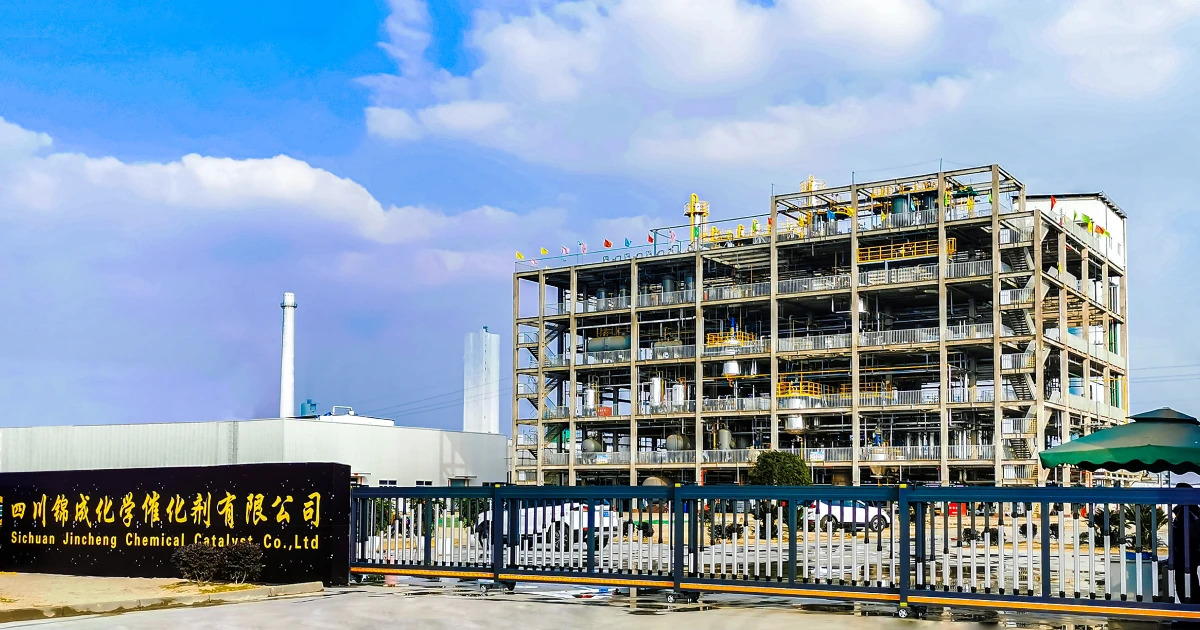
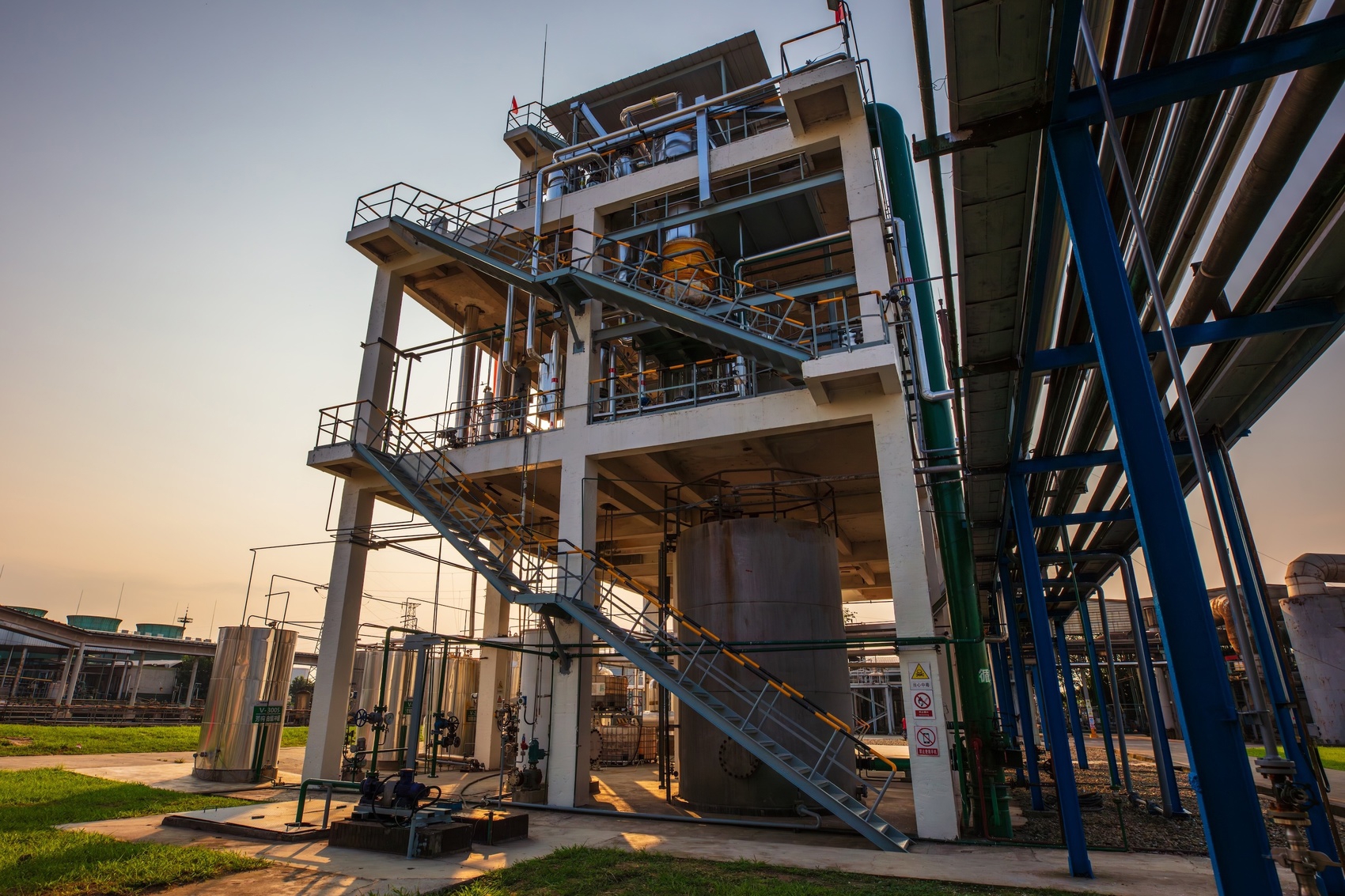
In Sichuan, China, Sichuan Golden Elephant Sincerity Chemical Co., Ltd. has commissioned, together with the team from Tsinghua University led by Wei Fei and Zhang Chenxi and Sichuan Aolifen Catalytic Materials, a pilot facility with a capacity of several thousand tonnes per year for CO₂ hydrogenation and SAF production.
The facility successfully completed a continuous 72-hour test, after which the technology was evaluated by an expert committee organized by the China Petroleum and Chemical Industry Federation. The committee described the development as a “world-first” and considered the technology to be at an internationally advanced level.
At the heart of technology is a bifunctional catalyst based on metal oxides and molecular sieves. According to information published by Tsinghua University, the team developed a strategy known as “catalytic shunting” or “catalytic splitting,” based on multiple active sites.
According to the research team, the concept is to have a bifunctional material that enables the presence of sites that promote CO₂ activation and hydrogenation, together with sites that facilitate carbon-carbon coupling.
The result is an integrated pathway in which CO₂ + H₂ can be directly converted into aviation kerosene components.
And this raises a particularly interesting point for those of us working in catalysts: the innovation lies not only in finding a more active catalyst, but in designing a catalytic architecture capable of simultaneously controlling activity, selectivity, and stability.
During the industrial test, the process was achieved:
Approximately 3.65 tonnes of CO2 per tonne of fuel component produced
The main conceptual advantage of this route is that it changes the origin of the carbon.
Instead of relying exclusively on biological feedstock, the carbon can come from industrial CO₂ while the hydrogen can be produced through electrolysis powered by renewable electricity.
This opens the door to a new pathway:
Industrial CO₂ + H₂ → Hydrocarbons → Aviation fuel components
And it connects three sectors that are normally considered separately:
In fact, the project uses CO₂ from industrial processes and specifically considers future integration with hydrogen produced from renewable electricity.
https://sichuan.scol.com.cn/ggxw/202608/83307619.html
https://www.fuelcellchina.com/Industry_information_details/9224.html
https://en.gesc.cn/company_detail/5.html