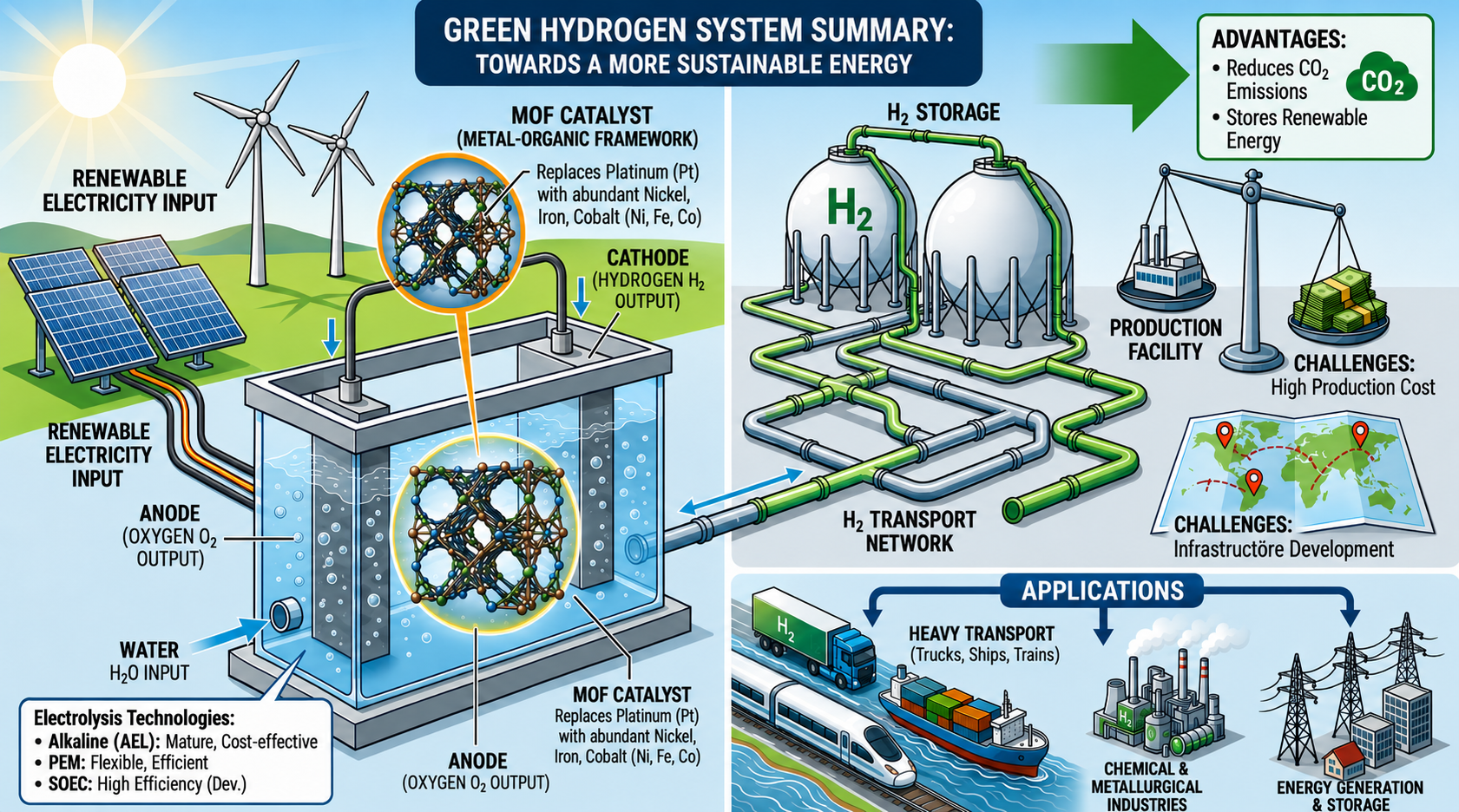
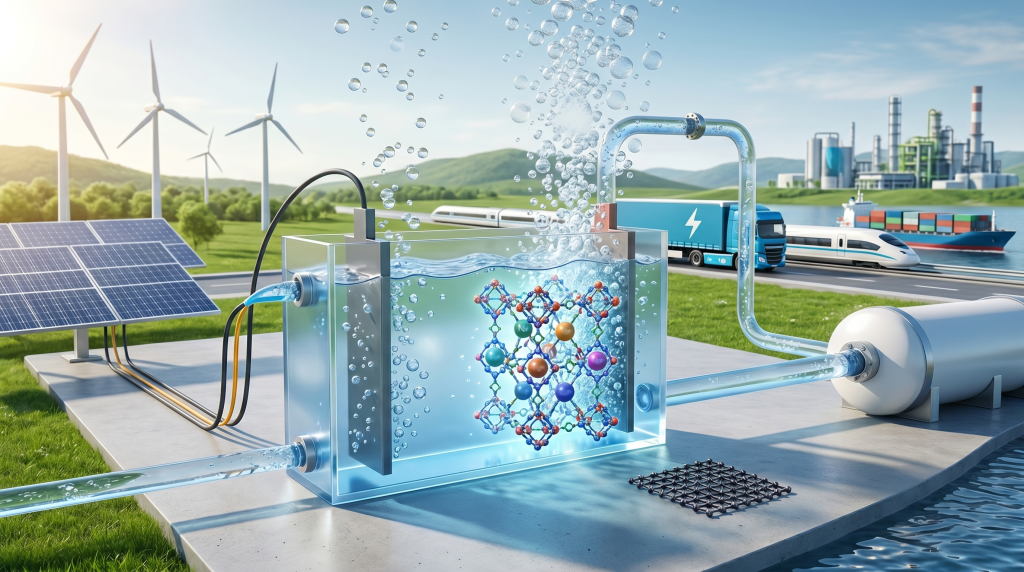
Green hydrogen has become one of the most promising solutions for moving towards a sustainable energy transition. It is produced through the electrolysis of water using electricity from renewable sources such as solar, wind or hydro power, thereby avoiding the emission of greenhouse gases.
The production of green hydrogen is based on the electrolysis of water, a process that separates the water molecule (H₂O) into hydrogen and oxygen using electricity.
In this process, oxygen is released at the anode, and hydrogen is obtained at the cathode. When the electricity used comes from renewable energy sources, the hydrogen produced is considered completely ‘green’.
Mature and cost-effective technology.
Greater efficiency and operational flexibility.
High efficiency, although still under development.
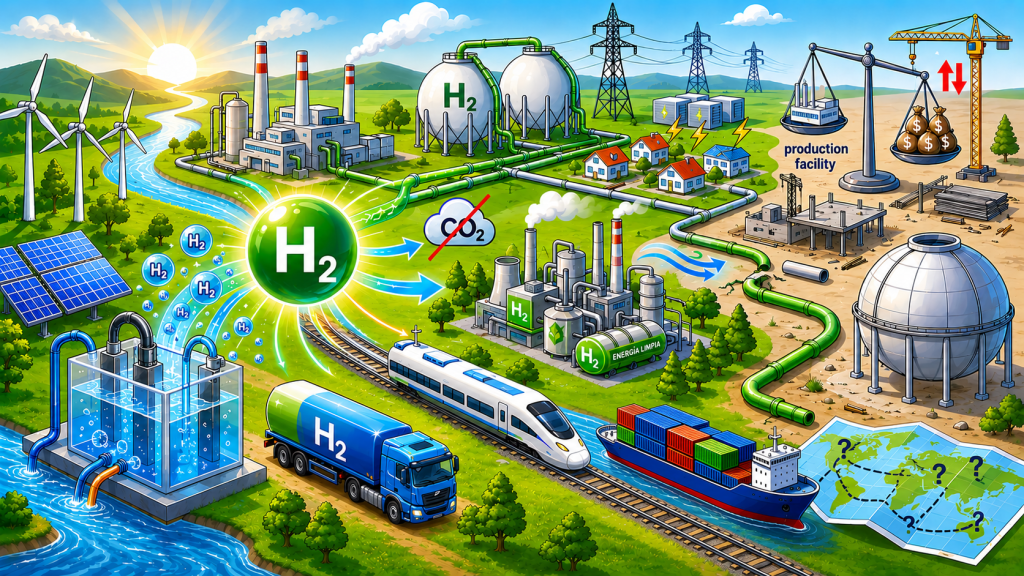
Green hydrogen stands out for its ability to reduce CO₂ emissions and store renewable energy. Its main applications include:
However, it still faces significant challenges such as high production costs and the need to develop specific infrastructure for its storage and transport.
MOFs (Metal–Organic Frameworks) are becoming increasingly popular as advanced materials for optimising water electrolysis. Thanks to their high porosity and large surface area, they enhance the reactions involved in producing hydrogen and oxygen, thereby increasing the efficiency of the process and reducing energy consumption.
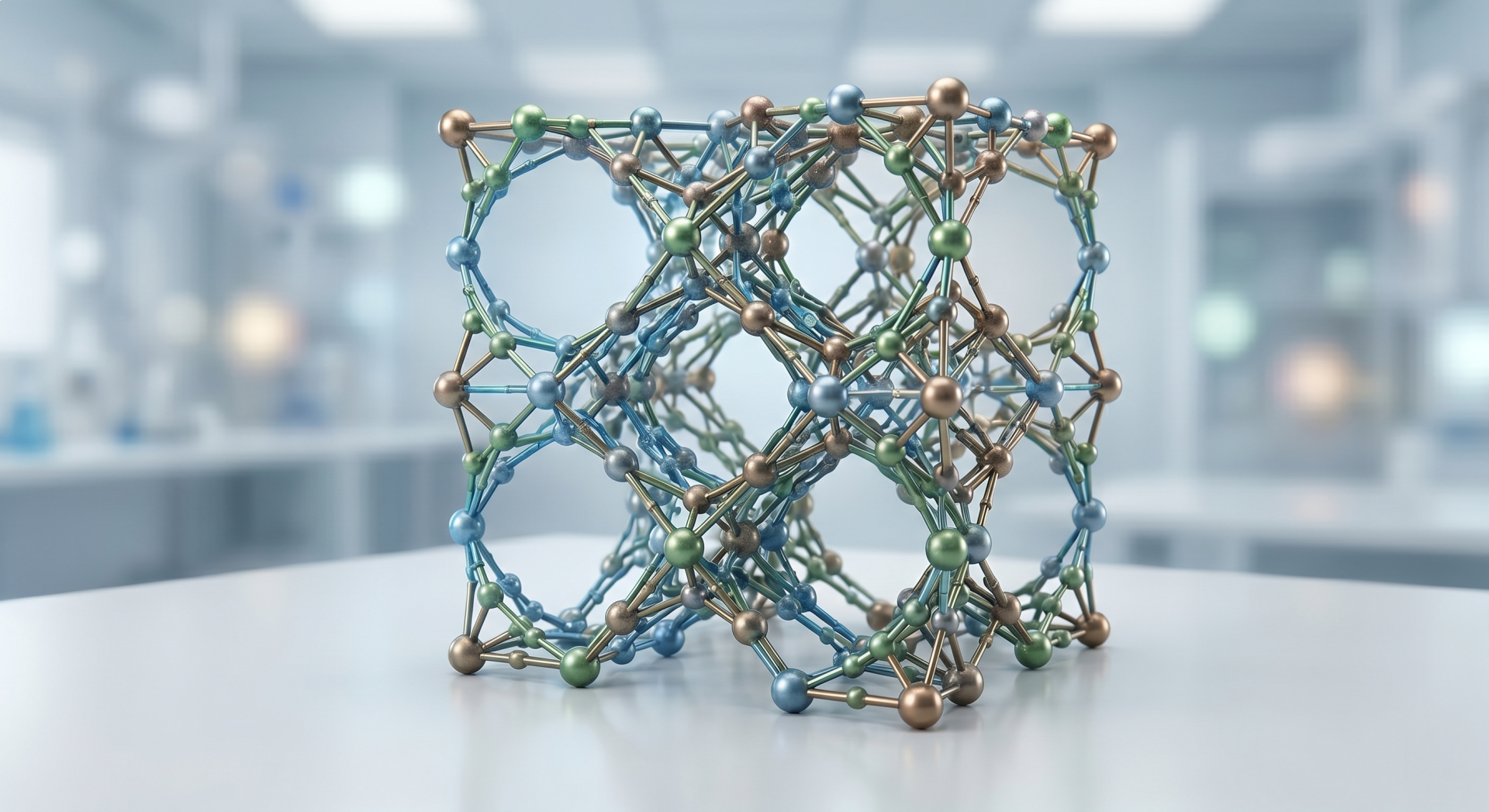
Furthermore, they enable the replacement of precious and expensive metals such as platinum with more abundant and economical materials such as nickel, iron or cobalt, making them one of the most promising technologies for developing more sustainable and efficient green hydrogen systems.