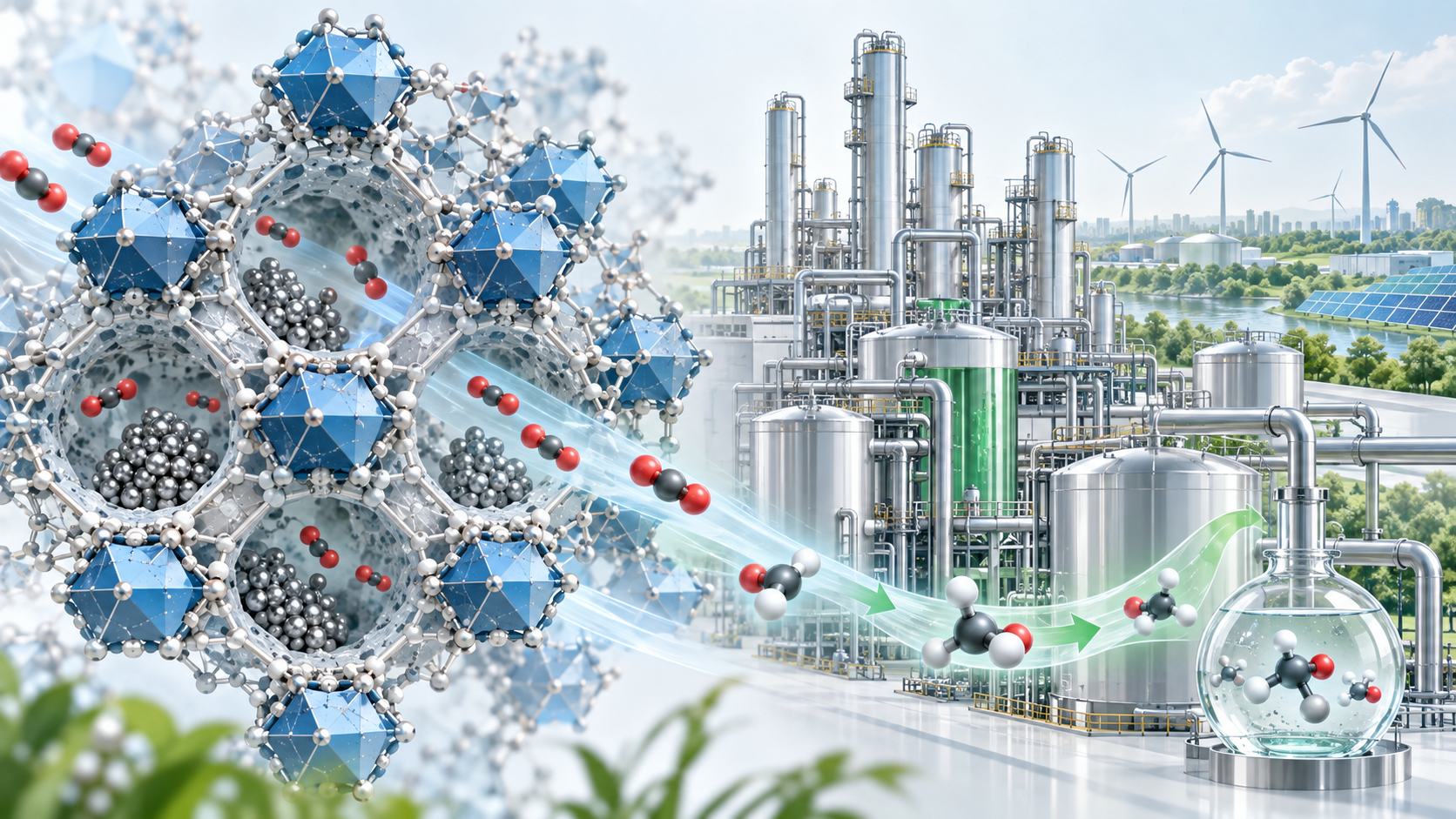

The escalation of global energy demand, driven by rapid population growth and industrialization, poses a monumental challenge due to our continued reliance on fossil fuels. These fuels not only deplete natural resources but also contribute directly to the massive emission of greenhouse gases such as CO₂ and subsequent climate change.
Addressing this challenge requires an urgent transition towards renewable energy sources, accompanied by advanced technologies for CO₂ capture and utilization (CCU).
Within this landscape, the hydrogenation of CO₂ to synthesize methanol (CH₃OH) stands out as one of the most promising mitigation pathways. Methanol acts not only as a climate-neutral fuel but also as a fundamental platform precursor for the manufacture of a wide variety of high-value chemicals in the industry.
However, CO₂ hydrogenation requires overcoming considerable thermodynamic and kinetic barriers; achieving high selectivity towards methanol is highly complex due to the occurrence of competitive reaction pathways that generate undesired by-products such as carbon monoxide, methane, and higher hydrocarbons.
Historically, the optimal conditions for methanol production have required a delicate balance between high temperatures and pressures. Unfortunately, these aggressive conditions cause the rapid degradation of traditional catalysts, inducing the sintering of active metals and carbon deposition (coking).
This is where Metal-Organic Frameworks (MOFs) emerge as revolutionary platforms. Thanks to their enormous specific surface area, high crystallinity, and adjustable pore sizes, MOFs offer an unprecedented degree of atomic dispersion for catalytic sites, while significantly improving CO₂ adsorption and activation.
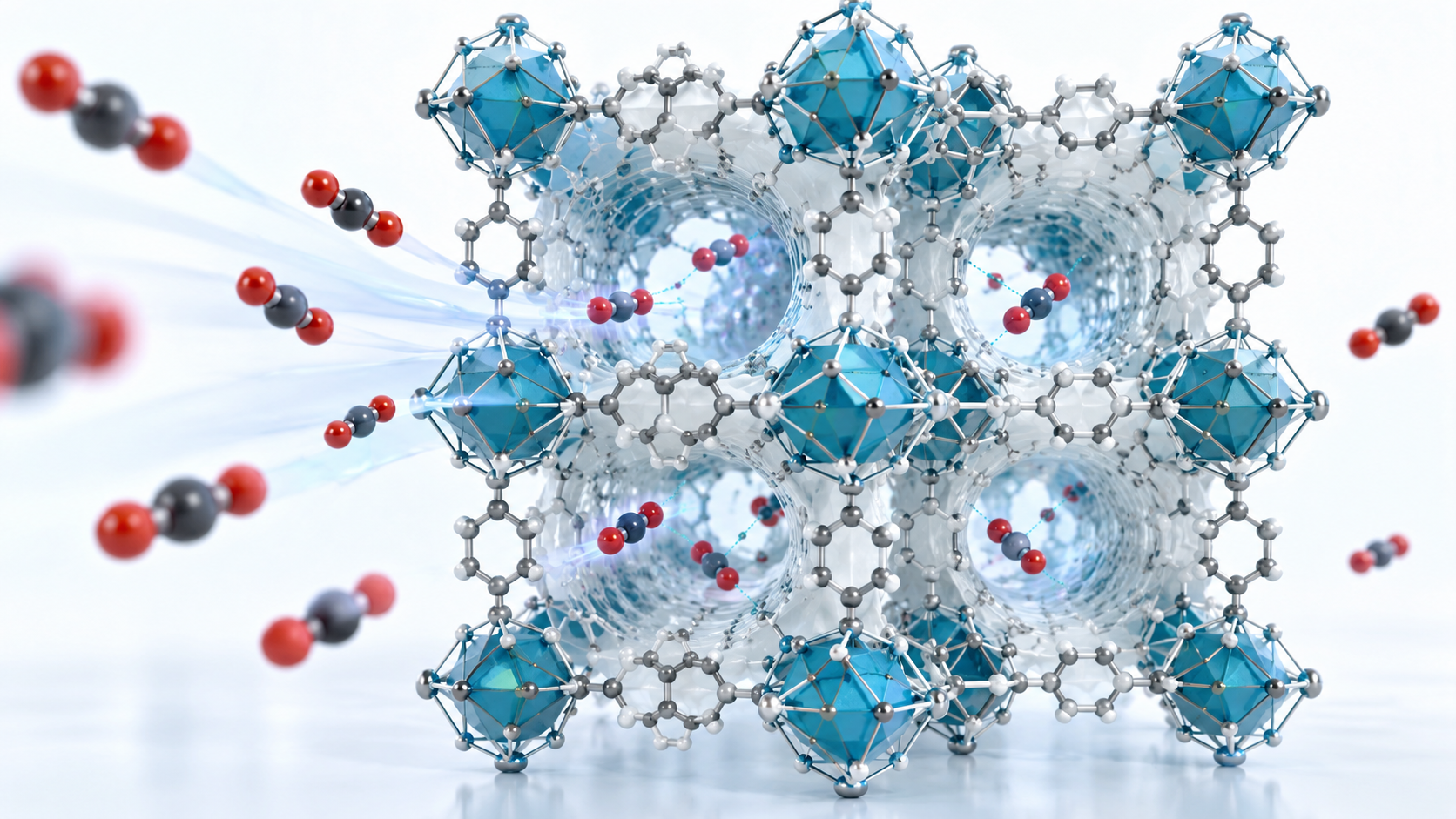
UiO-67, a MOF based on zirconium nodes stabilized by organic ligands, has proven to be a structurally robust candidate to support metallic nanoparticles in reaction environments. Nevertheless, designing these systems requires a perfect understanding of the metal-support interface.
A comprehensive study published in the Journal of Materials Chemistry A evaluated the catalytic performance of palladium (Pd) nanoparticles supported on UiO-67 for CO₂ hydrogenation. The major contribution of this research lies in demonstrating how the exact size and location of Pd species, relative to the MOF matrix, drastically determine their activity and selectivity.
Researchers synthesized two catalyst variants simply by adjusting the incorporation temperature of palladium acetate:
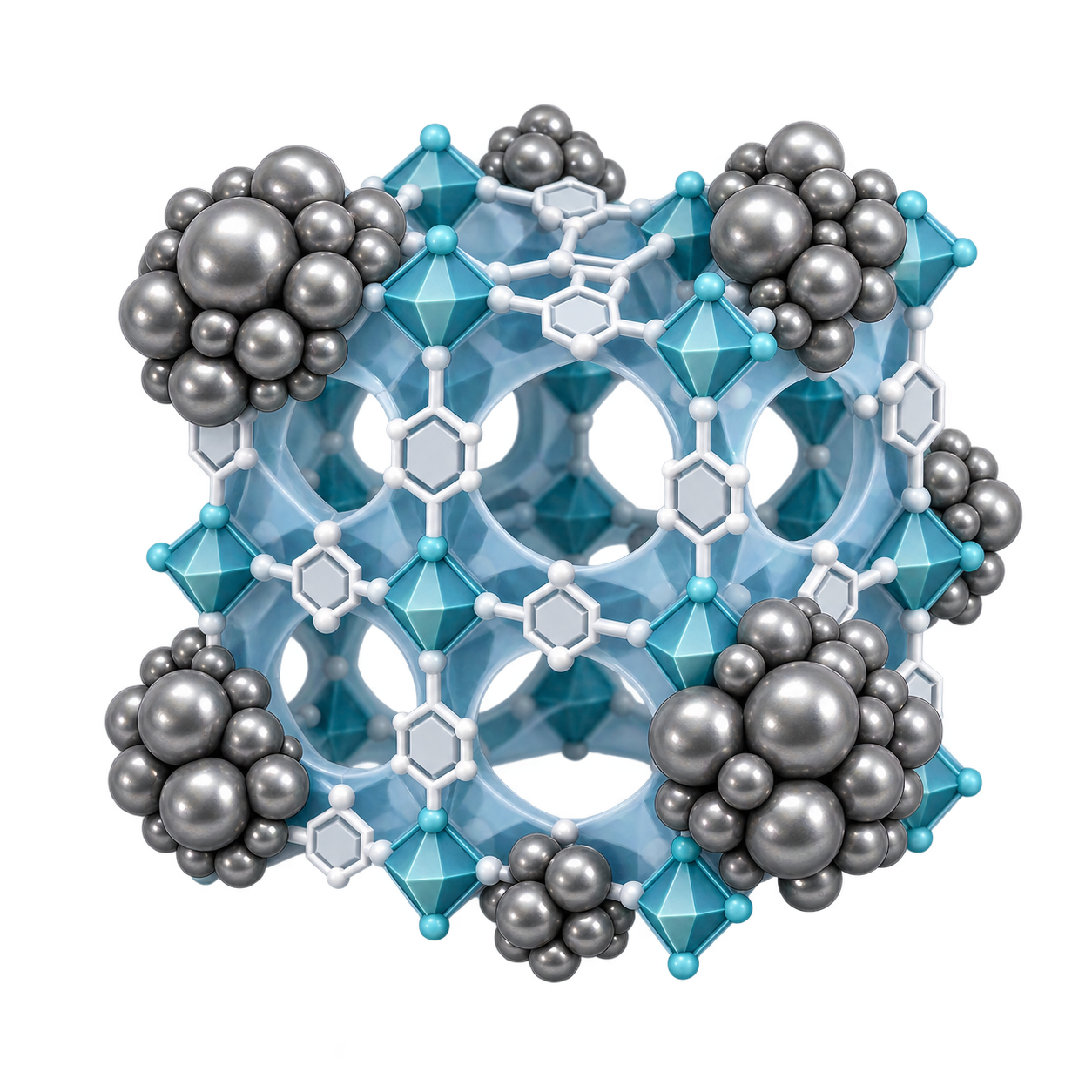
Accelerated reduction kinetics caused the precursor to agglomerate before diffusing into the pores, forming larger clusters (between 11 and 18 nm) deposited on the external surface of the MOF crystallites.
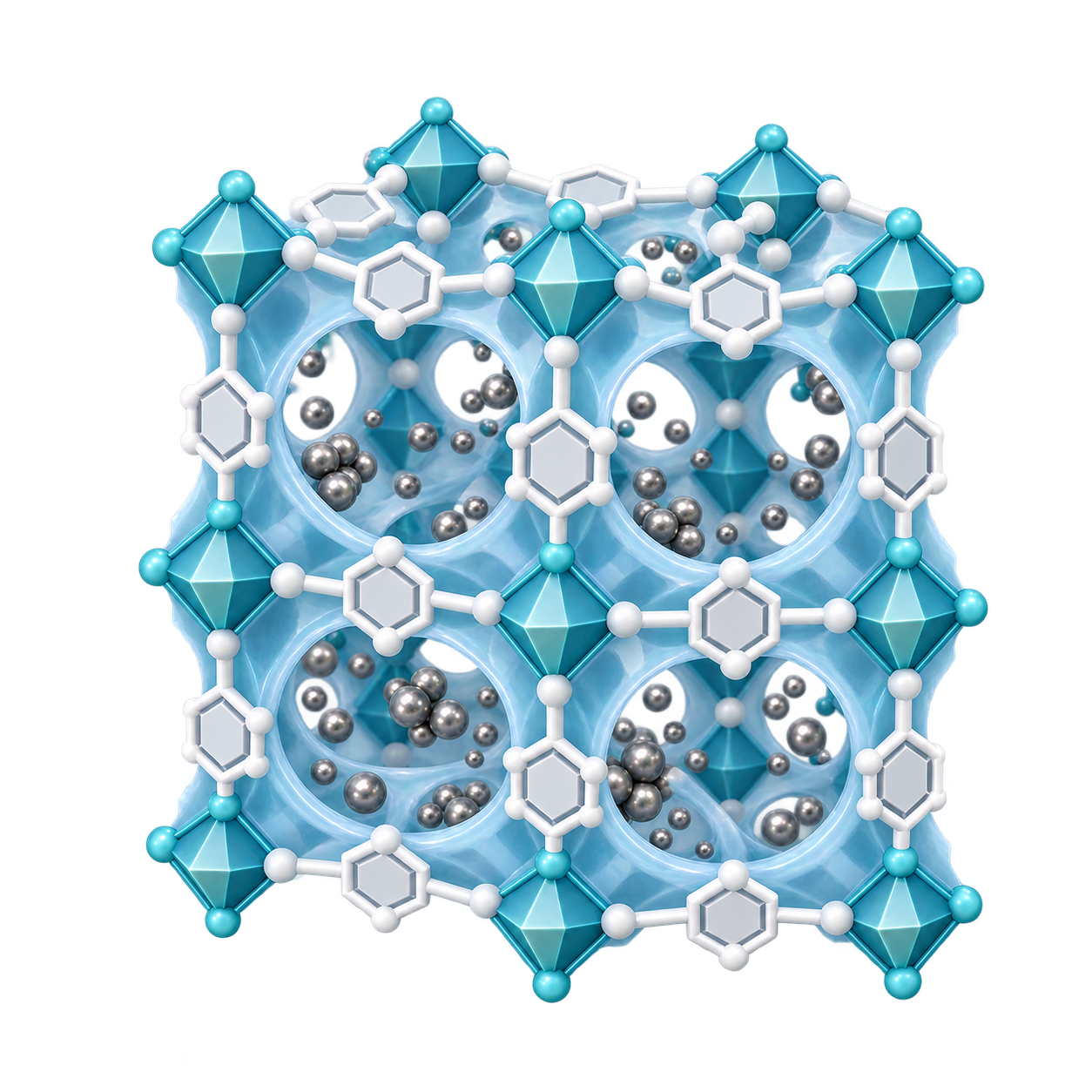
Slower reduction at room temperature allowed the Pd precursor to diffuse through the porous network of UiO-67 and anchor at specific sites (such as bipyridine ligands), forming ultra-small clusters (approximately 1 nm) highly dispersed and confined within the micropores.
Catalytic tests conducted at 170 °C and under varying pressures (from 1 to 30 bar) yielded decisive results. The Pd-B sample (confined particles) exhibited significantly superior catalytic performance, achieving CO₂ conversion rates approximately 40% higher than the Pd-A sample in the 15 to 30 bar operating range.
More importantly, the Pd-B catalyst managed to completely suppress methane formation, a detrimental by-product that tends to accumulate in industrial recycle loops and reduce process efficiency. Instead, it generated carbon monoxide (CO) as the sole by-product, a valuable intermediate that can be easily recycled into the feed to further enhance methanol yield.
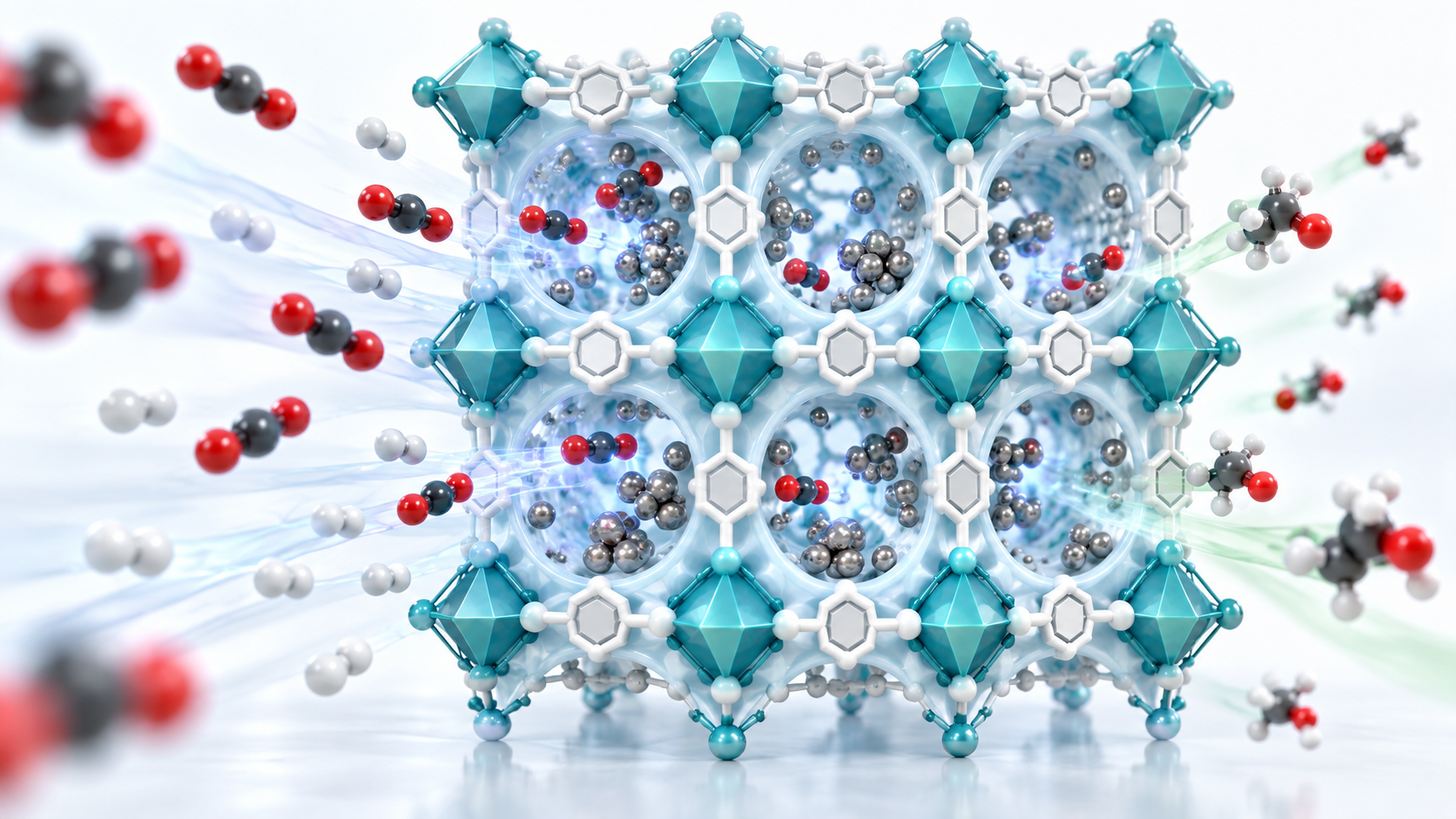
Why this technical superiority? The nanoconfinement of Pd within the MOF pores drastically increases the surface area-to-volume ratio, exposing a higher proportion of active species on the surface of the clusters. In addition, it maximizes the metal-MOF interface, promoting favorable electronic interactions that facilitate the activation of CO₂ molecules and stabilize reaction intermediates, thereby reducing the overall activation energy of the process and altering reaction pathways in favor of methanol.
To unravel the mechanisms behind this reactivity, the study employed highly advanced in situ and ex situ characterization techniques:
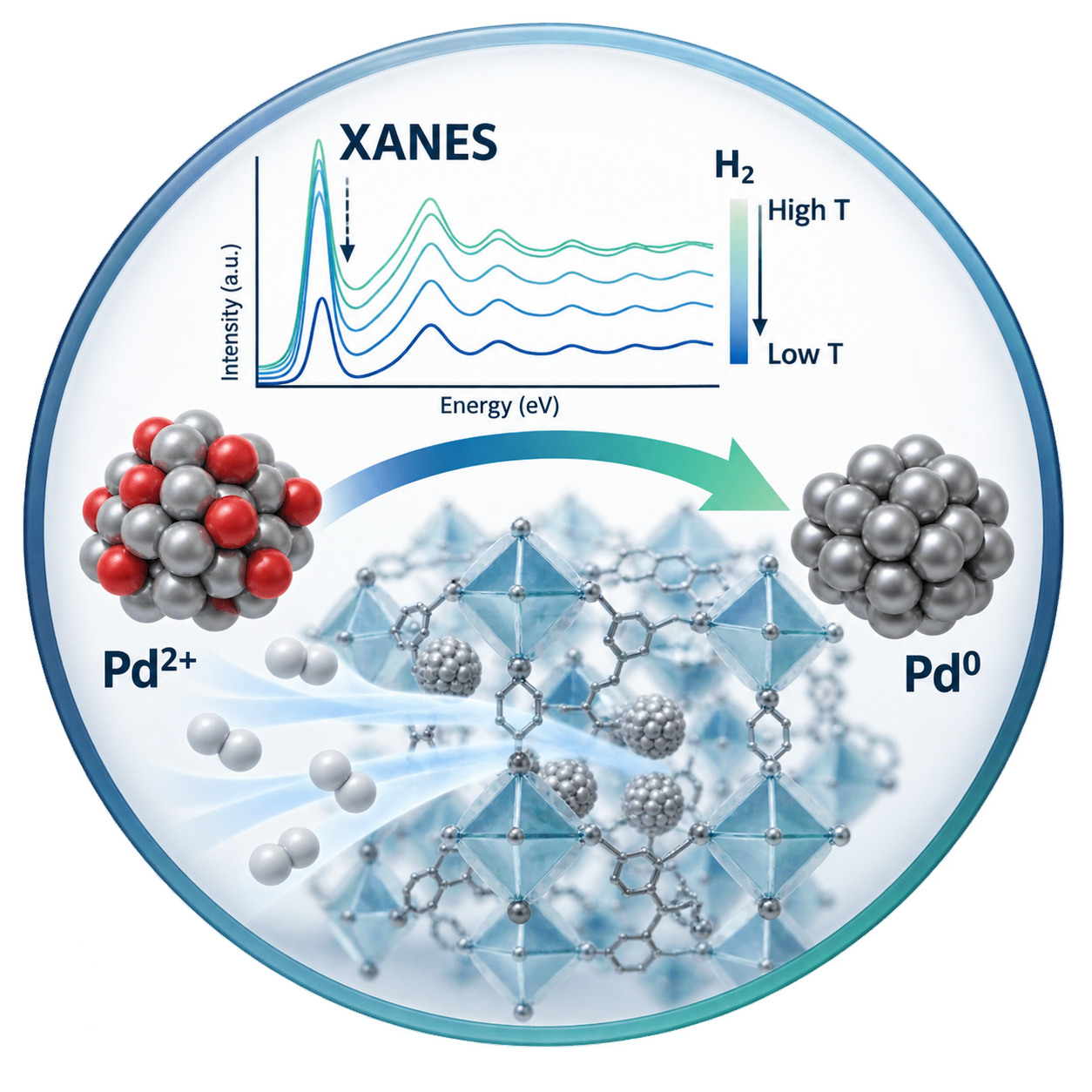
XANES spectra at the Pd K-edge confirmed a progressive, nearly complete reduction to metallic Pd upon introducing H₂ gas into the system. Interestingly, multivariate analysis (MCR-ALS) revealed that the Pd-B catalyst initiated its reduction from Pd²⁺ to Pd⁰ at a lower temperature than Pd-A, denoting higher interfacial reactivity.
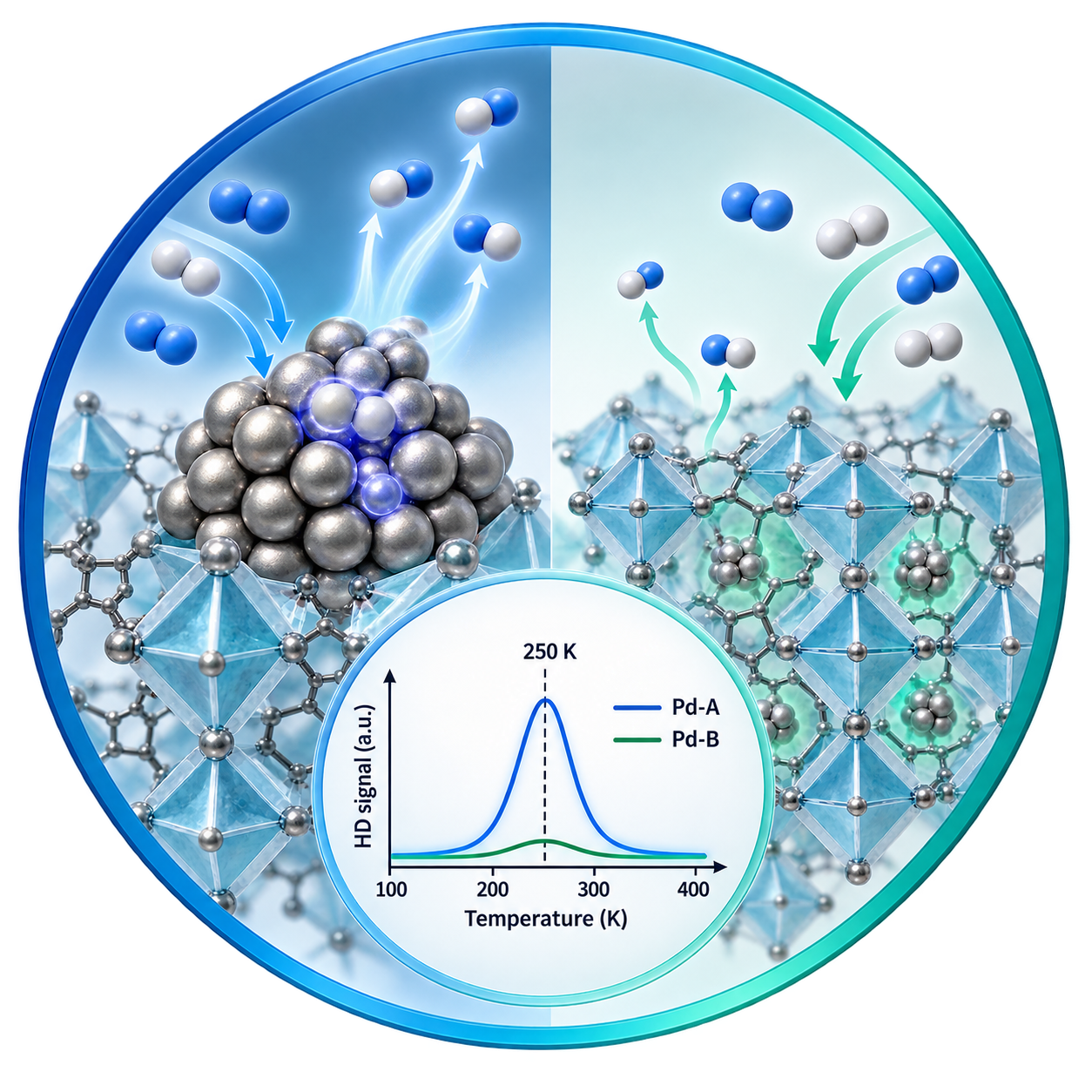
Isotopic experiments with H₂/D₂ revealed characteristic interactions. Post-reaction, the spent Pd-A sample showed an intense HD desorption signal around 250 K, suggesting subtle growth of Pd particles and the formation of interstitial hydrides—a phenomenon much less pronounced in the Pd-B catalyst due to its effective confinement.
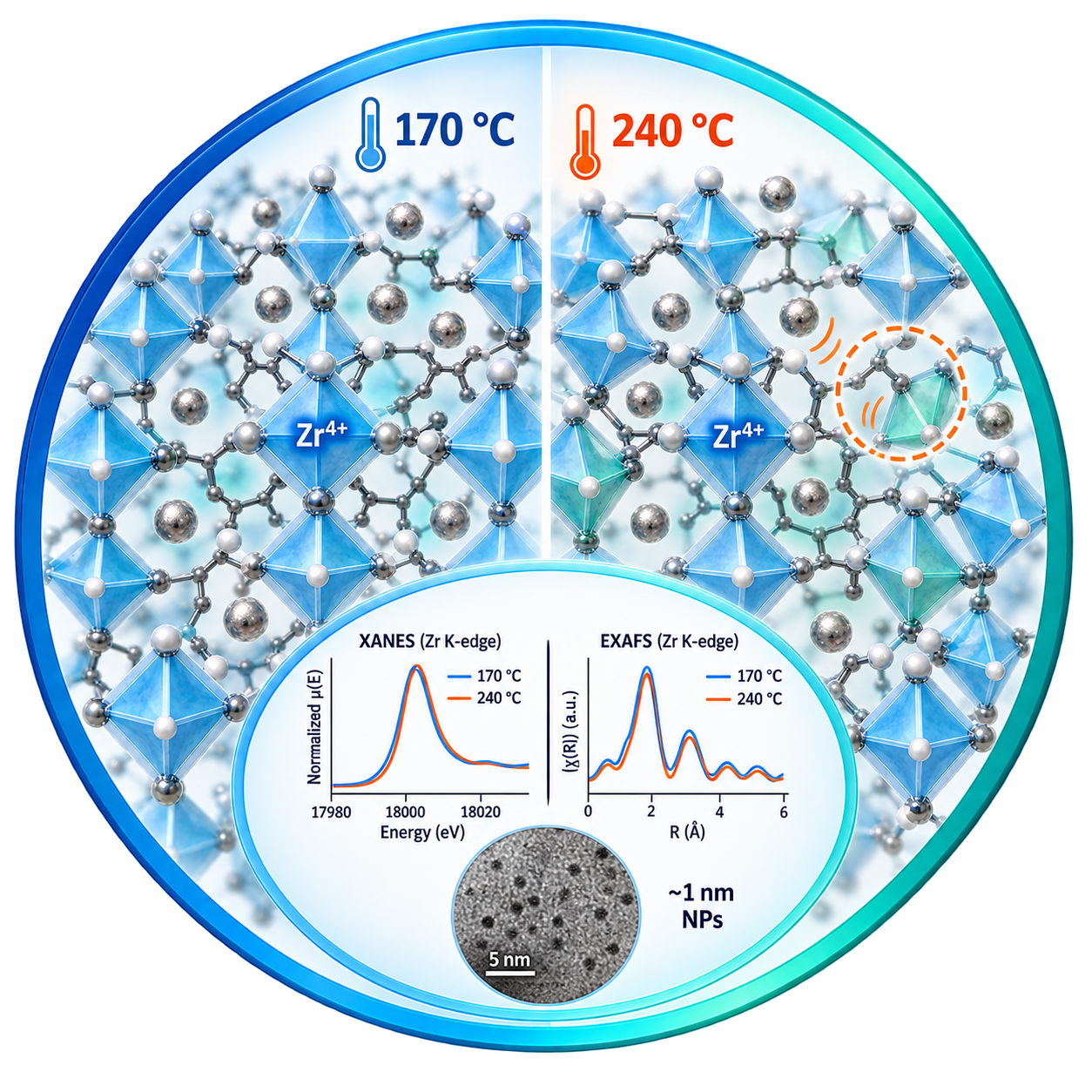
XANES and EXAFS analyses at the Zr K-edge confirmed that the MOF structure maintained its Zr⁴⁺ oxidation state at all times without drastic alterations. Although local distortions were observed at extreme temperatures (240 °C), the MOF demonstrated outstanding thermal and chemical resilience under standard 170 °C conditions, verified by post-reaction TEM imaging showing the retention of 1 nm nanoparticle dispersion.
These findings decisively deepen our understanding of structure-activity relationships in MOF-based catalysts. It is empirically demonstrated that precise control over metal dispersion and metal-support interface architecture is an indispensable requirement to maximize efficiency and selectivity in CO₂ hydrogenation.
At MERYT Catalysts & Innovation, we understand that the key to scaling these nanotechnology innovations to an industrial level lies in the purity and crystallinity of the base material.
That is why we provide the industry with structurally flawless high-performance MOFs, ensuring the porous architecture and stability needed to develop high-demand energy transition processes.
Accelerating the energy transition demands cutting-edge materials, and MOF optimization is the gateway to a truly circular carbon cycle.
Reference: Tezel, E., et al. (2026). Structural and catalytic insights into Pd-UiO-67 frameworks for CO2 hydrogenation to methanol. Journal of Materials Chemistry A, 14, 15335. DOI: 10.1039/d5ta05950j.