Hydrogen is a cornerstone of numerous industrial processes, essential in the production of ammonia, refining of petroleum, and synthesis of methanol. Simultaneously, it is emerging as a key player in clean and sustainable energy solutions due to its high energy content and zero-emission potential when used in fuel cells.
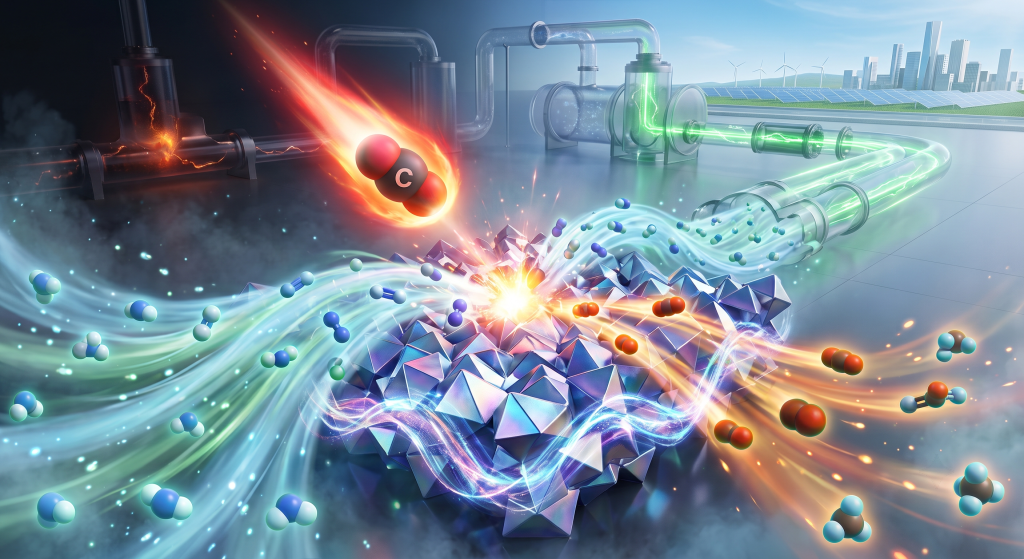
One of the most established methods for producing hydrogen is steam methane reforming (SMR), a process that has underpinned industrial hydrogen production for over a century. Steam reforming involves reacting methane with steam at high temperatures (700–1,100°C) to produce hydrogen and carbon monoxide, followed by a water-gas shift reaction that converts carbon monoxide into additional hydrogen and carbon dioxide. The key chemical reactions, both endothermical, are:
1. Steam Reforming Reaction:
CH4 + H2O à CO + 3H2
2. Water-Gas Shift Reaction:
CO + H2O à CO2 + H2
Currently, more than 500 industrial SMR units worldwide produce approximately 67 million metric tons of hydrogen annually, supplying about 75% of the global hydrogen demand.
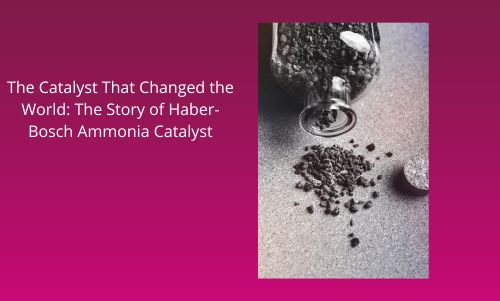
The journey of catalyst development for hydrogen production began in the early 20th century, urged by the rising demand for hydrogen in ammonia synthesis through the Haber-Bosch process, pioneered by Fritz Haber and Carl Bosch in 1913. Early catalysts were primarily nickel-based, chosen for nickel’s ability to facilitate the breakdown of methane molecules, thus laying the foundation for modern SMR processes.
However, initial nickel catalysts faced significant challenges, including carbon deposition (coking) and sintering at high temperatures, which led to rapid deactivation and reduced efficiency.
In the 1930s and 1940s, notable advancements were made by researchers like Dr. Haldor Topsøe, founder of Haldor Topsøe A/S in 1940. Topsøe’s contributions were instrumental in refining nickel-based catalysts by developing support materials such as alumina (Al₂O₃) that dispersed nickel particles more effectively, enhancing their stability and longevity.
Throughout the mid-20th century, further progress was achieved by introducing promoters and developing bimetallic catalysts. Scientists like Dr. John H. Sinfelt at ExxonMobil Research in the 1970s explored combining nickel with other metals such as cobalt and iron, which enhanced catalyst performance and resistance to deactivation. The exploration of precious metals like rhodium and ruthenium also took place, offering superior activity but limited in industrial application due to their high costs.
In the 21st century, the evolution of catalysts has been significantly influenced by advances in nanotechnology and materials science. Researchers have developed nano-structured catalysts with increased surface areas and tailored morphologies, leading to greater efficiency and durability. Additionally, there has been a concerted effort toward developing environmentally friendly catalysts, exploring non-metal alternatives and sustainable materials to reduce reliance on scarce resources and decrease the environmental impact of hydrogen production.
In conclusion, the journey of catalyst development for hydrogen production reflects a continuous pursuit of innovation driven by both industrial demands and environmental considerations. From the early nickel-based catalysts to today’s advanced nanomaterials, each development has enhanced the efficiency and sustainability of hydrogen production. As the global focus intensifies on clean energy solutions, the ongoing advancement of catalyst technology remains pivotal in unlocking hydrogen’s full potential as a key raw material for chemical processes and energy carrier for a sustainable future.