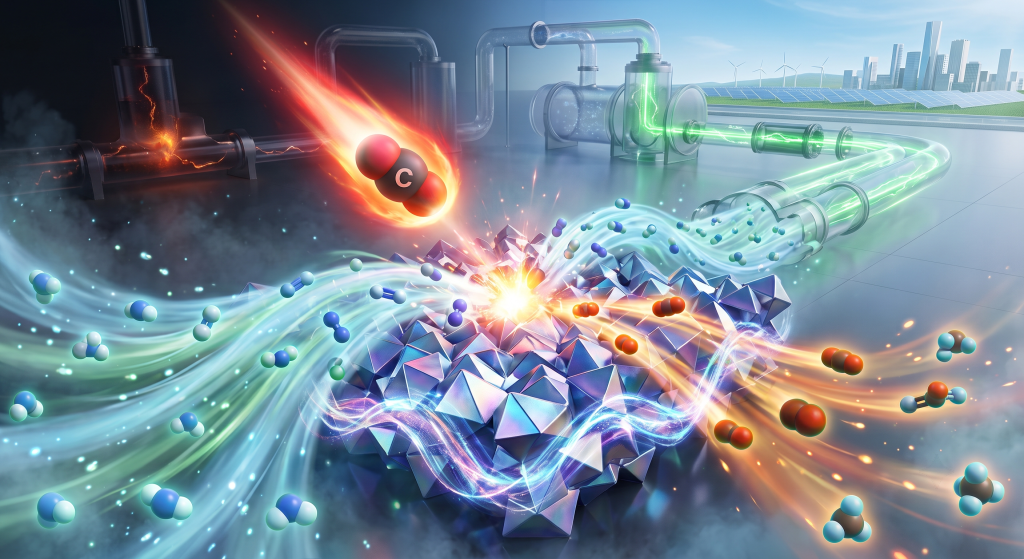
Catalysis is a cornerstone of modern chemistry, playing a vital role in numerous industrial processes. At the heart of many catalytic systems are metals, which are essential for facilitating reactions that are critical for producing fuels, chemicals, and numerous other products. This article explores the importance of metals in catalysis, highlighting their use and significance in the industry, along with key data on their consumption.
Metals are the active sites in catalysts, playing a crucial role in chemical reactions by facilitating the interaction with reactants. Their unique properties, such as electrical conductivity, the ability to form stable complexes, and participation in redox reactions, make them ideal for this purpose. These characteristics enable metals to lower the activation energy required for reactions, thereby accelerating the reaction rates and enhancing efficiency.
Key Metals and Their Applications
- Platinum Group Metals (PGMs): Platinum, palladium, and rhodium are among the most commonly used metals in catalysis, particularly in automotive catalytic converters that reduce harmful emissions. In 2022, the automotive industry alone consumed approximately 150 metric tons of platinum, 310 metric tons of palladium, and 28 metric tons of rhodium. These metals are also essential in chemical synthesis and refining processes.
- Nickel: Known for its versatility and cost-effectiveness, nickel is widely used in hydrogenation reactions, a key process in the petrochemical industry. The global consumption of nickel in catalysts is estimated at around 70,000 metric tons annually. Nickel catalysts are also pivotal in hydrogen production and the refining of vegetable oils.
- Cobalt: Cobalt is predominantly used in hydrotreatment catalysts, which are essential for refining petroleum products by removing impurities such as sulfur and nitrogen. This process, known as hydrodesulfurization, is crucial for producing cleaner fuels that meet stringent environmental regulations. Additionally, cobalt plays a significant role in Fischer-Tropsch synthesis, converting syngas into liquid hydrocarbons, and in the hydroformylation process for producing certain polymers and fine chemicals. The total global consumption of cobalt is around 140,000 metric tons per year.
- Molybdenum: Molybdenum is widely used in hydrodesulfurization catalysts, essential for removing sulfur from fuels to meet environmental regulations. It is also used in the production of lubricants and as a catalyst in the chemical industry for various oxidation reactions. The global consumption of molybdenum, including catalysis, is around 270,000 metric tons per year.
- Iron: Iron-based catalysts, often in the form of iron oxide, are extensively used in the Haber-Bosch process for ammonia production, a critical component for fertilizers. The global ammonia industry utilizes thousands of metric tons of iron-based catalysts each year, leveraging iron’s abundance and affordability.
- Copper: Copper catalysts play a significant role in producing methanol and formaldehyde. Although specific data on copper’s use in catalysis is less commonly detailed, the broader chemical industry’s annual demand for copper, including its catalytic applications, exceeds 400,000 metric tons.
- Zinc: Zinc is used as a catalyst in the synthesis of numerous organic compounds, including the production of pharmaceuticals and polymers. Zinc oxide catalysts are also important in the rubber industry and in the desulfurization of hydrocarbons. The global annual consumption of zinc, including its use in catalysis, exceeds 13 million metric tons.
- Silver: Silver is known for its high conductivity and catalytic activity in oxidation reactions. It is widely used in the production of formaldehyde from methanol and in the epoxidation of ethylene to produce ethylene oxide, a precursor to many industrial chemicals. The total annual industrial consumption of silver, including catalytic applications, is around 27,000 metric tons.
- Gold: Once considered a catalytically inactive metal, gold has been found to be highly effective in low-temperature oxidation reactions and in the selective oxidation of hydrocarbons. Its use in catalysis is particularly prominent in environmental applications, such as in air purification and carbon monoxide oxidation. The total annual industrial consumption of gold, including catalysis, is approximately 330 metric tons.
- Titanium: Titanium dioxide (TiO2) is commonly used as a photocatalyst for environmental purification applications, including water and air treatment. Additionally, titanium-based catalysts are crucial in sulfur recovery units (SRUs), which convert hydrogen sulfide (a by-product of refining processes) into elemental sulfur, reducing sulfur emissions and recovering sulfur for further use. The global annual consumption of titanium dioxide, including its catalytic applications, is approximately 7.4 million metric tons.
- Vanadium: Vanadium is used in the production of sulfuric acid via the contact process, as well as in other oxidation reactions. The annual global consumption of vanadium is approximately 110,000 metric tons, with a significant portion used in catalysis and steel alloy production.
- Tungsten: Tungsten catalysts are important in hydrocracking and other petrochemical processes. They are valued for their high melting points and stability under extreme conditions. The annual global consumption of tungsten, including its use in catalysis, is around 80,000 metric tons.
- Ruthenium: Ruthenium is used in ammonia synthesis, hydrogenation, and other specialized catalytic processes. It is known for its efficiency in catalyzing reactions at lower temperatures. The total annual consumption of ruthenium, including its use in catalysts, is around 30 metric tons.
The Rise of Nanocatalysts: Reducing Metal Consumption
In recent years, the development of nanocatalysts has revolutionized the field of catalysis. Nanocatalysts utilize nanoparticles, which have a much larger surface area-to-volume ratio compared to bulk materials. This property significantly enhances catalytic activity, allowing for the use of smaller amounts of precious metals while maintaining or even improving performance. The increased efficiency and selectivity offered by nanocatalysts not only reduce the quantity of metal required but also contribute to more sustainable and cost-effective catalytic processes. As industries seek to minimize resource use and environmental impact, nanocatalysts represent a promising advancement in the pursuit of greener chemistry.
Advancements and Sustainability in Metal Catalysis
The demand for these metals in catalysis reflects their critical role in enabling more sustainable and efficient chemical processes. The industry is continuously exploring new catalyst formulations, including bimetallic and polymetallic catalysts, which combine different metals to enhance catalytic performance. This innovation is not only improving reaction efficiencies but also helping to reduce the amount of metal required, thus addressing both economic and environmental concerns.
Furthermore, there is a growing focus on using more abundant and less toxic metals as substitutes for precious metals. This shift aims to make catalytic processes more sustainable and cost-effective, ensuring that the industry can meet future demands while minimizing environmental impact.
Therefore, metals are indispensable in the field of catalysis, driving advancements in efficiency and sustainability across various industries. At MERYT, we are committed to leveraging the latest developments in metal catalysis to deliver high-performance, eco-friendly solutions to our clients. By integrating innovative approaches and sustainable practices, we aim to continue leading the way in the chemical industry.
For more information on our products and services, and to stay updated on the latest industry trends, visit our website and follow us on LinkedIn.